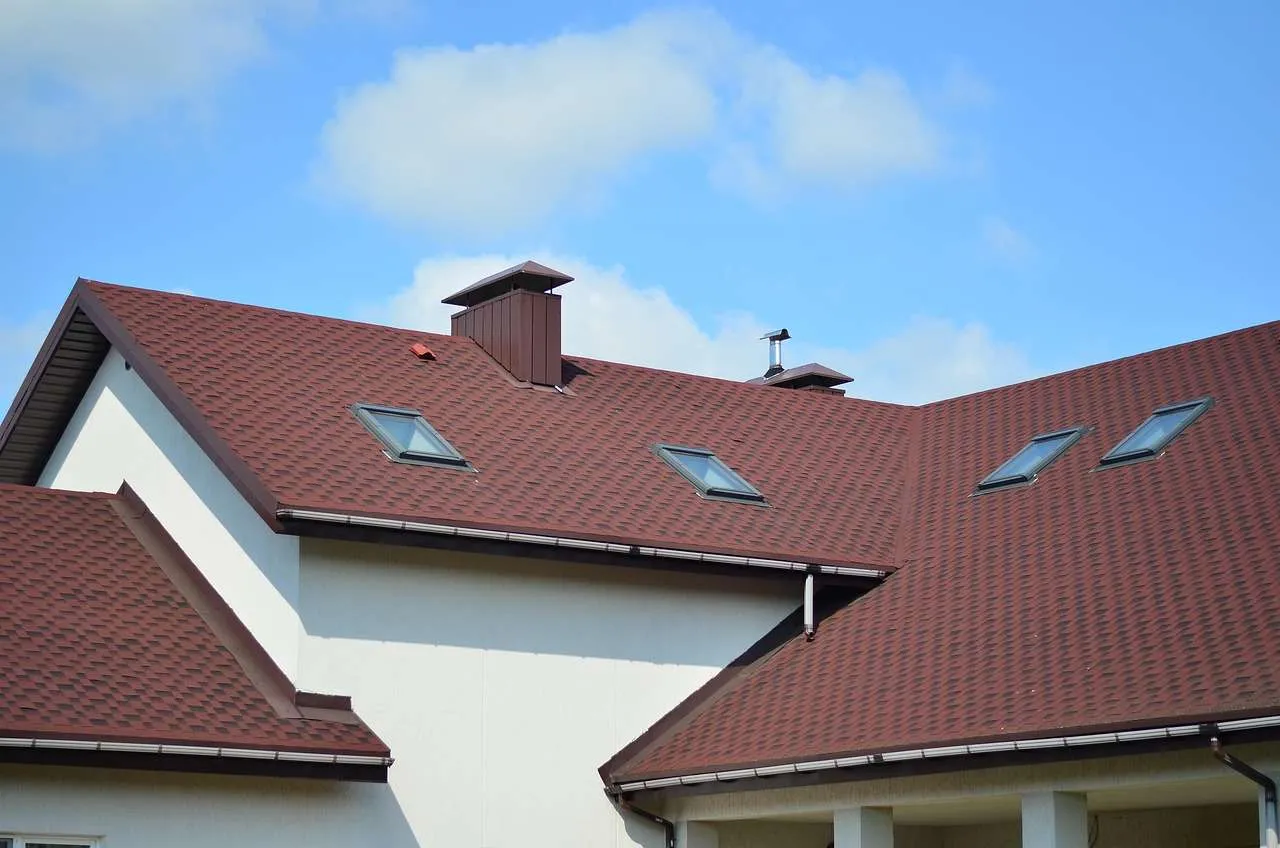
Roofing protects a home from the elements and supports energy efficiency. Understanding roofing and roof repairs helps homeowners maintain safety, value, and comfort. This guide draws on industry best practices and what you can expect when working with professionals.
Why roofing and roof repairs matter
High-quality roofing and timely repairs prevent water intrusion, reduce the risk of structural damage, and improve energy performance. Proper maintenance extends roof life and protects interior living spaces. As a homeowner, you benefit from proactive inspections, clear project scopes, and warranties that cover workmanship and materials.
Signs your roof may need repair
Regular inspections catch issues early. Look for these indicators:
- Missing, curled, or cracked shingles
- Granules in gutters or on the ground around your home
- Leaks in ceilings or attic moisture after rain
- Light exposure through the attic or sagging roof sections
- Damaged flashing around chimneys, vents, or skylights
What to expect from a professional roof repair
A qualified roofer begins with a thorough assessment, documented scope, and a transparent cost estimate. Expect safety measures, a workmanship warranty, and required permits when applicable.
Inspection and diagnosis
The inspector checks flashing, underlayment, vent boots, and shingles for damage. This determines whether a repair suffices or a replacement is warranted.
Repair process
Typical repairs involve targeted shingle replacement, resealing flashing, and reseating or replacing vent boots. Larger issues may require staged work to minimize disruption and protect adjacent materials.
Repair vs replacement: quick decision guide
| Scenario | Repair Options | Pros | Cons | When to Choose |
|---|---|---|---|---|
| Minor leak at flashing | Sealants, reseat flashing, replace a few shingles | Low cost; quick fix | Temporary; may recur if underlying structure is compromised | Early detection; repair as a stopgap |
| Worn shingles and granule loss | Shingle replacement in affected area | Preserves protection and curb appeal | May require multiple patches over time | Repairable if roof deck is sound |
| Localized vent or valley leaks | Flashing and boot replacement | Durable, long-lasting | Could require multiple fixes if other areas fail | When detected early and deck is intact |
| Ageing roof over 20 years | Partial or full roof replacement | Long-term protection, improved energy efficiency | Higher upfront cost | Repairs exceed 30-50% of roof area or near end of life |
Common repair methods and maintenance tips
Repair methods vary by material and roof design. Asphalt shingles often require patching or shingle replacement; metal roofs may need panel reseating or panel replacement. Flashing around chimneys and vents remains a frequent focal point. After any repair, implement a simple maintenance routine: clean gutters, inspect after storms, trim overhanging branches, and check attic insulation for signs of moisture or heat loss.
Choosing a contractor you can trust
Look for licensing and insurance, written estimates, and clear warranties. Seek references, compare multiple bids, and confirm that the team follows safety standards and local building codes. A trustworthy contractor will provide a detailed scope, a realistic timeline, and transparent communication throughout the project.
Maintenance and cost considerations
Regular maintenance reduces the likelihood of frequent repairs and extends roof life. Costs vary by material, roof size, and labor rates. Budget for periodic inspections and minor repairs, plus a reserve for a future replacement if the roof nears the end of its lifespan. Proactive upgrades such as better underlayment and improved ventilation can improve performance and energy efficiency.
Conclusion, this guide equips homeowners with a practical framework for roofing and roof repairs—from early signs through contractor selection and ongoing care—so you protect your home and investment.